

Protein supplements for runners explained. Discover if you need them and how to choose the best protein for optimal recovery and performance.
Table of Contents
You’ve just crushed a long run. Your legs are heavy, your muscles are buzzing, and that familiar ache is starting to set in. You know recovery is key, but is your post-run banana and toast enough? Walk into any supplement store or browse online, and you’re met with a dizzying array of tubs and pouches—whey, casein, pea, soy, blends. It’s enough to make any runner wonder: Do I actually need a protein supplement, and if so, how on earth do I choose?
The short answer is: maybe. For runners, protein isn’t about bulking up; it’s about breaking down. It’s the essential building block for repairing the microscopic muscle damage caused by every stride, hill repeat, and tempo run. This guide will cut through the marketing hype and provide a clear, evidence-based roadmap to help you decide if a protein supplement is right for you and, most importantly, how to select the perfect one.
Protein is an essential macronutrient made of amino acids, the body’s building blocks, crucial for muscle repair, hormone production, and overall health. For runners and active individuals, protein supplements for runners help repair tiny muscle fibers stressed during exercise, reduce soreness, and speed recovery.
There are different types of protein. Complete proteins, found in meat, poultry, fish, eggs, and dairy, contain all essential amino acids, while incomplete proteins from beans, lentils, nuts, seeds, and grains can be combined to meet needs. Protein supplements for runners like whey, casein, and plant-based powders provide a convenient way to reach daily protein targets. Adequate intake supports endurance, strength, and energy during training.
In the United States, protein consumption habits are influenced by dietary guidelines, food choices, and lifestyle trends. According to the Dietary Guidelines for Americans 2020–2025, protein should make up 10–35% of daily energy, with average intake around 97 grams for men and 69 grams for women, roughly 16% of total energy (NCBI).
Protein supplements for runners are concentrated sources of protein designed to support muscle repair, recovery, and performance for active individuals. Available as powders, shakes, bars, and ready-to-drink options, they include whey, casein, plant-based, and collagen proteins. These supplements help runners meet daily protein requirements, reduce post-run soreness, and improve endurance. They are especially useful for those who struggle to consume enough protein through diet alone. For a detailed guide on types and benefits, visit
Healthline’s protein supplement guide
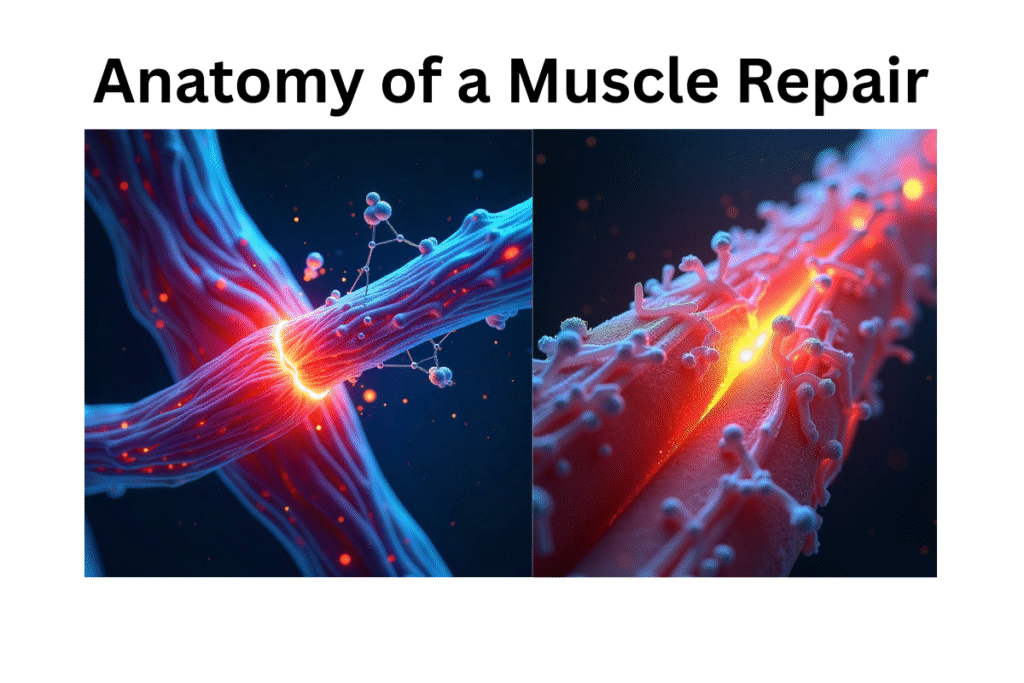
The Runner’s Relationship with Protein – More Than Just Muscle
Many runners live in a world of carbohydrates, and for good reason—carbs are fuel. But protein is the mechanic that keeps the engine running smoothly. Its roles are multifaceted:
Why Protein is a Non-Negotiable for Runners
- Muscle Repair and Remodeling: During a run, you create tiny tears in your muscle fibers. Protein provides the amino acids necessary to patch them up, making them stronger and more resilient for next time. This is the very foundation of training adaptation.
- Immune System Support: Strenuous endurance exercise can temporarily suppress your immune system. Many amino acids, the building blocks of protein, are crucial for producing antibodies and immune cells, helping you stay healthy during heavy training blocks.
- Oxygen Transport and Storage: Iron is critical for runners, as it’s a key component of hemoglobin, which carries oxygen in your blood. Some protein sources are rich in heme iron (from animals) and can aid in preventing deficiencies.
- Injury Prevention: Stronger, well-repaired muscles and connective tissues (like tendons and ligaments) are more resilient to the repetitive stress of running, reducing your risk of common overuse injuries.
The “Do I Need a Supplement?” Checklist
You might NOT need a protein supplement if:
- You consistently meet your daily protein needs through whole foods like chicken, fish, eggs, Greek yogurt, tofu, and lentils.
- Your recovery is quick, and you rarely feel excessively sore.
- You have no dietary restrictions that make consuming protein difficult.
A protein supplement could be a GAME-CHANGER if:
- You struggle to hit your protein targets with food alone, especially after a run when you might not have an appetite.
- You’re following a vegetarian or vegan diet and find it challenging to get complete protein sources.
- You’re frequently on the go and need a quick, convenient recovery option.
- You’re experiencing prolonged muscle soreness or are not recovering well between sessions.
- You’re training for a marathon or ultra-endurance event and your nutritional demands are sky-high.
Your Step-by-Step Framework for Choosing a Protein Powder-Protein supplements for runners
Navigating the supplement aisle doesn’t have to be overwhelming. Follow this 4-step framework.
Step 1: Identify Your Primary Goal
Your goal dictates everything.
- Goal: Optimal Daily Recovery. Look for a fast-absorbing protein like Whey Isolate or Pea Protein to quickly deliver amino acids to your muscles post-run.
- Goal: Managing Hunger & Weight. A blend with a slower-digesting protein like Casein or a thicker consistency can increase satiety and keep you feeling full.
- Goal: General Health & Convenience. A standard Whey Concentrate or a versatile Soy or Brown Rice Protein offers a great balance of effectiveness and cost.
Step 2: Select Your Protein Source (The Type)
This is the core of your choice.
- Whey (Dairy): The gold standard for fast absorption.
- Concentrate: Affordable, contains a bit of fat/lactose. Great for most.
- Isolate: Purer, higher protein percentage, less lactose. Ideal for the lactose-sensitive.
- Hydrolysate: Predigested for the fastest absorption. Often more expensive and slightly bitter.
- Casein (Dairy): Slow-digesting, providing a steady trickle of amino acids. Excellent as a bedtime supplement.
- Plant-Based:
- Pea Protein: A great all-rounder, rich in BCAAs, hypoallergenic.
- Soy Protein: A complete protein, effective and well-researched.
- Brown Rice Protein: Mild flavor, but often lower in lysine (an essential amino acid).
- Hemp Protein: Contains healthy fats and fiber, but lower in protein percentage.
- Blends: The best option! Blends of pea, brown rice, and quinoa create a complete amino acid profile.
Step 3: Decode the Nutrition Label (The 5-Minute Audit)
Don’t just look at the protein number. Be a label detective.
- Protein per Serving: Aim for 20-25 grams per scoop. This is the optimal dose for muscle protein synthesis.
- Carbohydrates & Sugars: If you’re using it purely for protein, look for low sugar (<5g). If it’s a post-workout recovery shake, having some carbs (10-20g) can help replenish glycogen.
- Fats: Should be relatively low (a few grams).
- Ingredients List: Shorter is better. Watch out for artificial sweeteners, thickeners (like xanthan gum), and “proprietary blends” that hide specific ingredient amounts.
Step 4: Consider Taste, Mixability, and Cost
The best protein is one you’ll actually consume. Read reviews on taste and mixability. Also, calculate the cost per serving—an expensive tub might be cheaper per gram of protein than a budget one.

Top 5 Protein Supplements for Runners in the USA
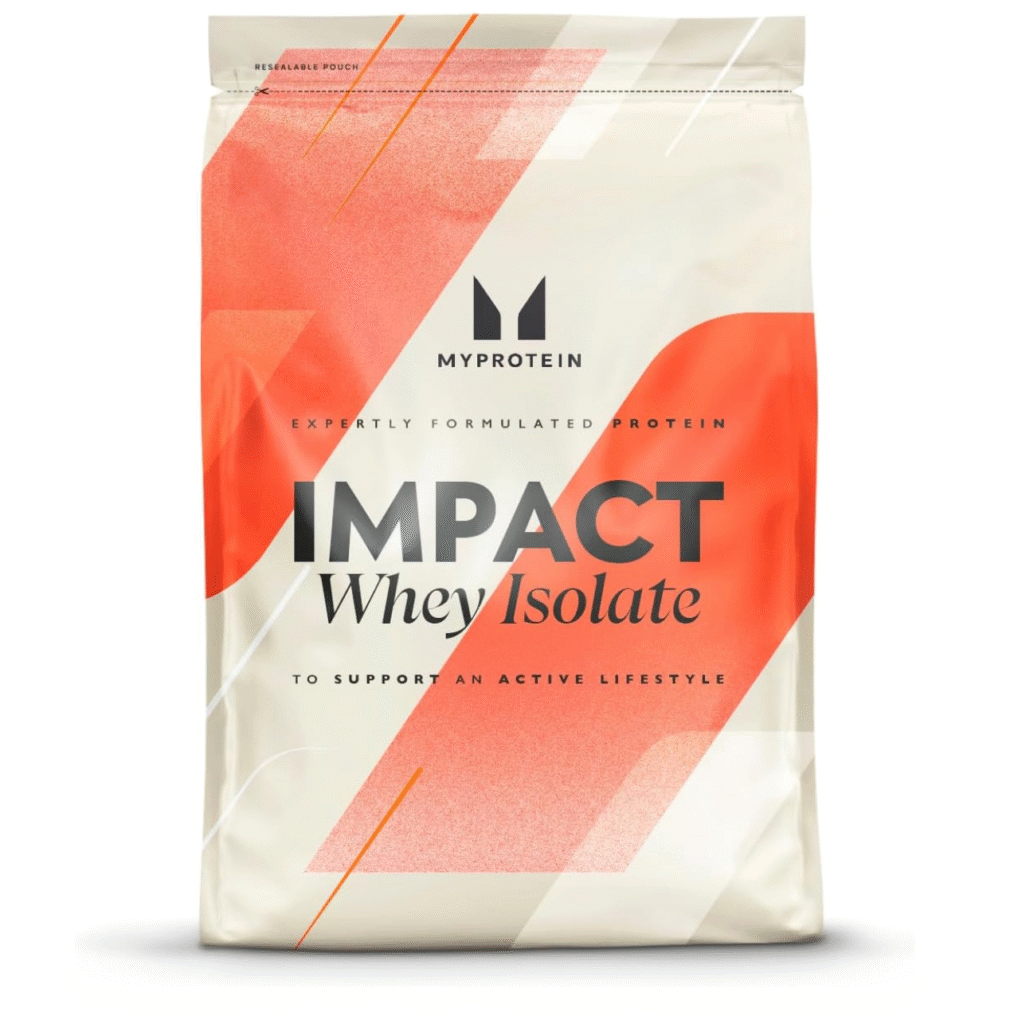
1. MyProtein Impact Whey Isolate
- Protein per serving: 22 g
- Highlights: Fast absorption, wide flavor selection, great for post-run recovery
- Affiliate Tip: Perfect for runners looking for cost-effective, high-quality whey.
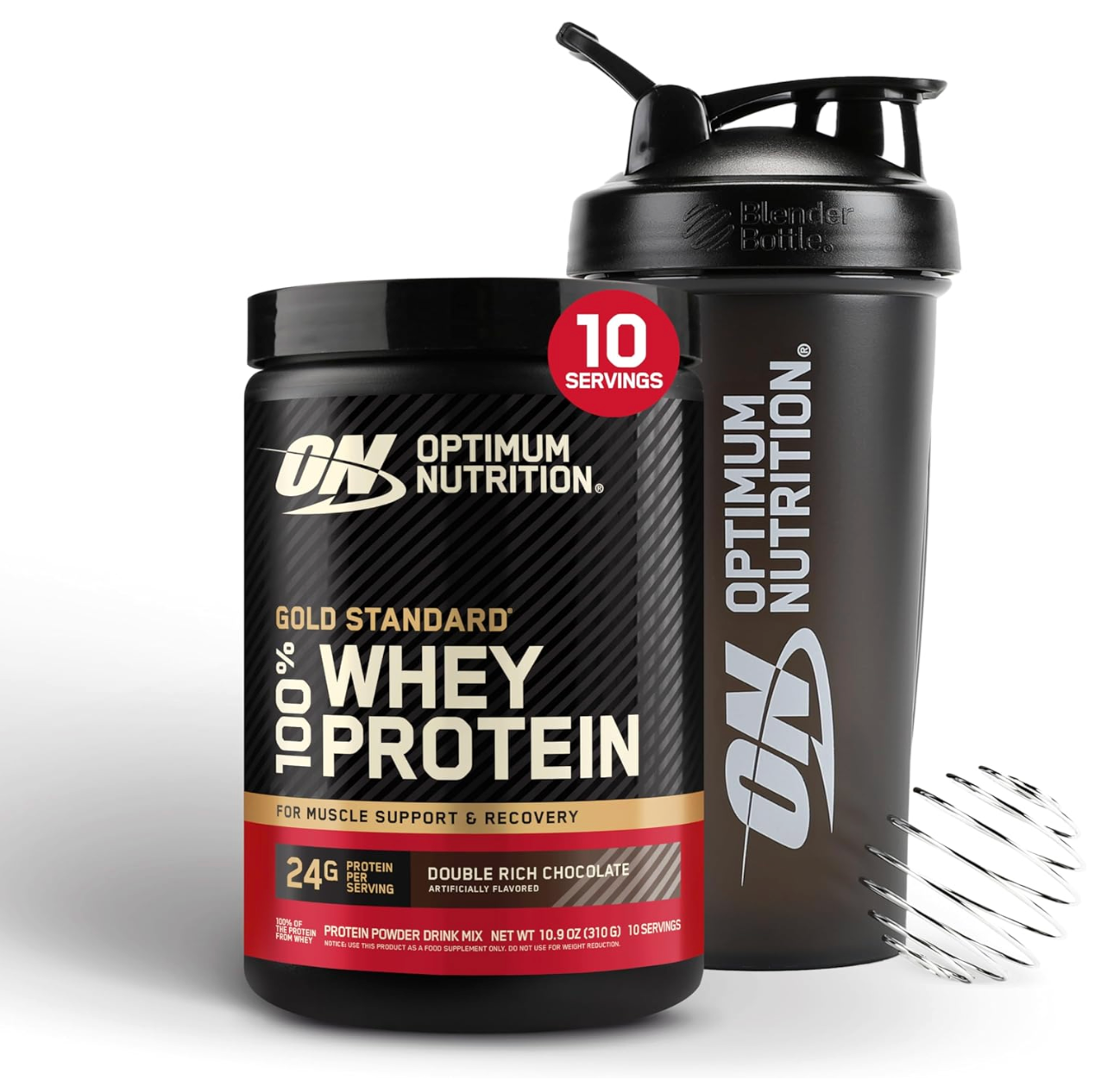
2. Optimum Nutrition Gold Standard Whey
- Protein per serving: 24 g
- Highlights: Trusted U.S. brand, blends easily, strong amino acid profile
- Affiliate Tip: Excellent for beginner and experienced runners alike.
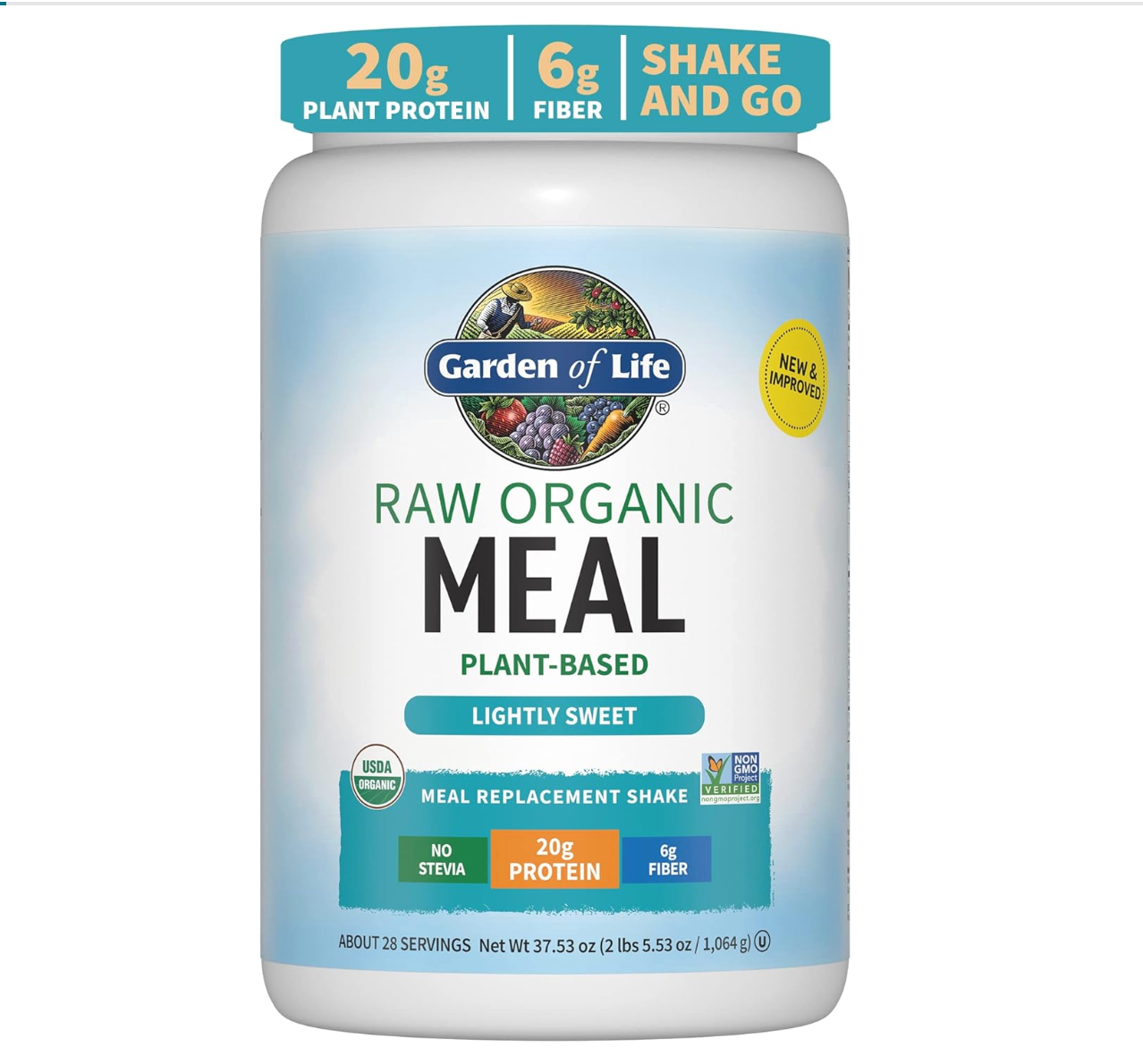
3. Garden of Life Organic Plant-Based Protein
- Protein per serving: 20 g
- Highlights: USDA organic, vegan-friendly, includes probiotics & enzymes for digestion
- Affiliate Tip: Ideal for plant-based runners seeking clean, natural protein.
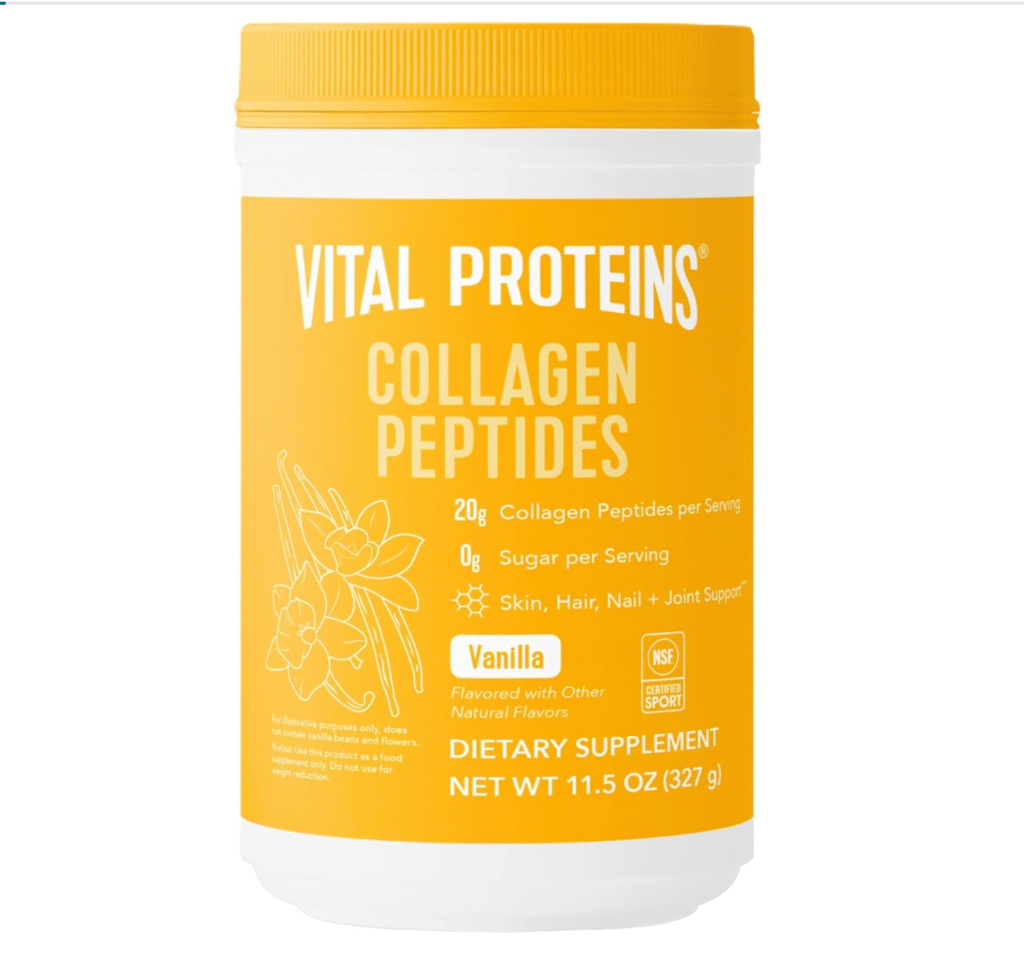
4. Vital Proteins Collagen Peptides
- Protein per serving: 18 g
- Highlights: Supports joints, tendons, and skin health, easy to mix
- Affiliate Tip: Great supplement alongside endurance or long-distance running.
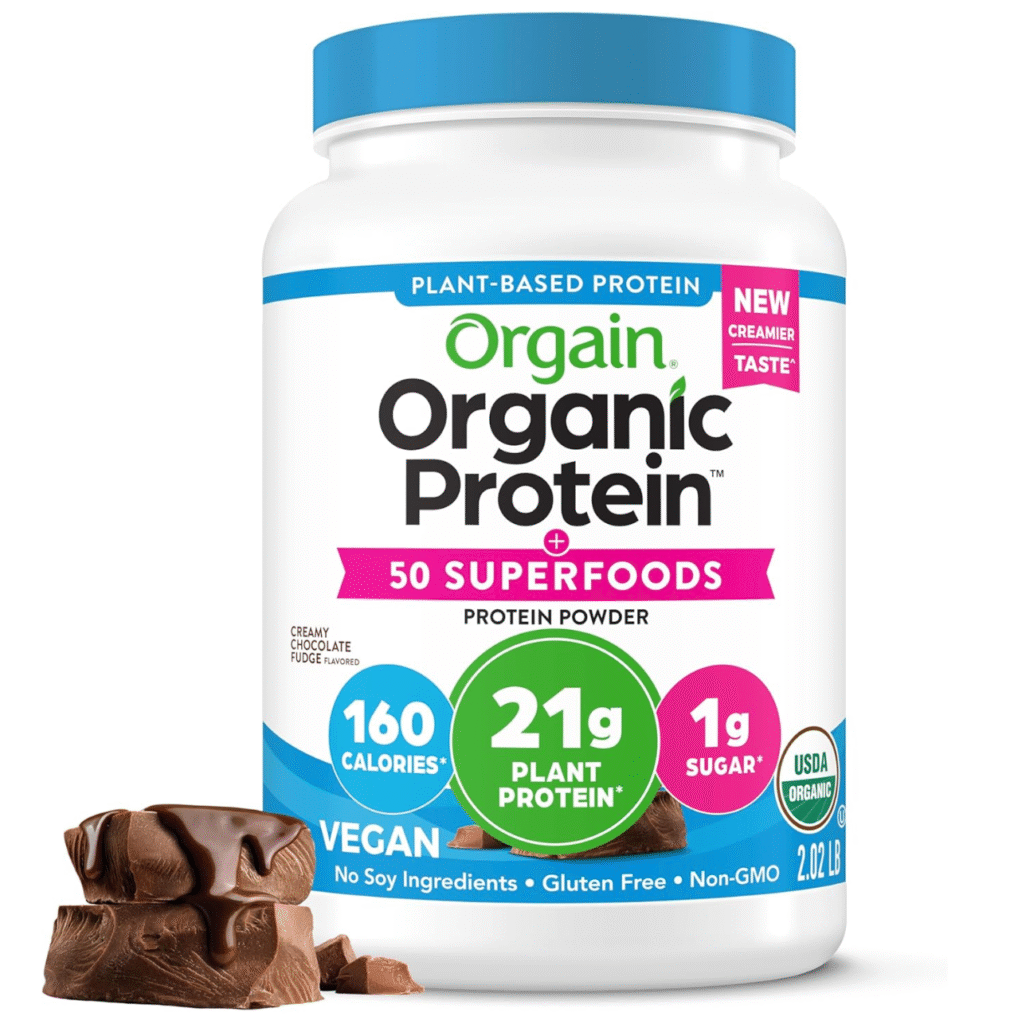
5. Orgain Organic Protein Plant-Based Powder
- Protein per serving: 21 g
- Highlights: Vegan, organic, no artificial flavors, smooth texture
- Affiliate Tip: Best for daily recovery smoothies or shakes.
External link suggestion: Runner’s World on protein for runners
FAQ Section
Q1: What does protein actually do for me as a runner?
Think of your muscles like a rope. A hard run creates tiny tears in that rope. Protein is the repair crew that patches up those tears, making the rope (your muscles) even stronger than before. This means you recover faster, feel less sore, and get better at running!
Q2: I’m not a bodybuilder. Will protein powder make me bulky?
Nope, not at all! Getting bulky requires heavy weightlifting and eating a lot of extra food. For runners, protein helps repair and maintain lean muscle. It supports your endurance and recovery without adding bulk. It’s about getting stronger, not bigger.
Q3: When is the best time to take a protein shake?
The best time is within an hour or two after you finish your run. This is when your muscles are like a dry sponge, ready to soak up the protein to start the repair work right away. It’s a super convenient option when you’re not ready for a full meal.
Q4: Are plant-based proteins (like pea or soy) as good as whey?
Yes, they are great options! While whey is absorbed very quickly, plant-based proteins work just as well for recovery, especially if you choose a blend (like pea and rice together). They are a perfect choice if you are vegan, vegetarian, or have a sensitive stomach with dairy.
Q5: Can I just eat food instead of drinking a shake?
Absolutely! Whole foods should always be your first choice. Great options include a chicken breast, Greek yogurt, eggs, tofu, or a handful of nuts. A protein shake is simply a convenient and quick backup plan for those busy days when cooking a full meal isn’t easy.
Q6: How much protein do I actually need?
A good simple rule is to aim for about 0.5 to 0.7 grams of protein for every pound you weigh. So, if you weigh 150 pounds, you would need between 75 and 105 grams of protein spread throughout your whole day. A protein shake usually gives you about 20-25 grams.
Conclusion-Protein supplements for runners
So, do you need a protein supplement? Not necessarily, but it can be a powerful, convenient tool in your running toolkit to enhance recovery, support your immune system, and help you consistently perform at your best. The choice isn’t about finding the “best” protein powder on the market; it’s about finding the best one for you.
By understanding your goals, learning the language of protein types, and becoming a savvy label reader, you can move from confusion to confidence. Remember, a supplement supplements a solid foundation of whole foods, quality sleep, and smart training. Use this guide, make an informed choice, and here’s to stronger, faster, and better-recovered running