

Start running in 2025! Your ultimate beginner’s guide covers how to start running safely and how to choose the best running shoes for your goals, gait, and budget.
Your Running Journey Begins with a Single, Well-Supported Step
Welcome to 2025! This is your year to unlock a new level of fitness, mental clarity, and personal accomplishment. And there is no better, more accessible, and more effective way to do that than by lacing up a pair of shoes and hitting the road, trail, or treadmill. If you’re searching for a definitive guide on how to start running, you’ve come to the right place.
The decision to begin running for beginners is exciting, but it can also be daunting. Common questions swirl: “Will my knees hurt?” “How do I even breathe?” “How far should I go?” While all these are valid, there is one question that vastly outweighs all others in importance for your safety, comfort, and long-term success: “How do I choose running shoes that are right for me?”
The market for beginner running shoes is vast and can be overwhelming. This comprehensive guide, crafted for the aspiring 2025 runner, will do more than just list products. We will deconstruct the entire process, from the mindset needed to succeed to the intricate biomechanics of your footstrike. Our mission is to empower you with the knowledge to confidently select your perfect pair of beginner running shoes, setting you up for a lifetime of joyful miles. Let’s begin this journey together.
Table of Contents
The Ultimate Guide: How to Start Running and Choose Your Shoes
Part 1: Laying the Unshakeable Foundation – Your Pre-Run Primer
Before we dive into the intricacies of midsole foam and heel counters, it is absolutely critical to set the right foundation. Your approach to how to start running will determine whether you become a lifelong devotee or a statistic of burnout. The goal is gradual, consistent adaptation, not immediate, painful intensity.
A. The Non-Negotiable First Step: Medical Clearance
If you are over the age of 35, have a history of heart conditions, respiratory issues, joint problems (especially in the knees, hips, or ankles), or have led a predominantly sedentary lifestyle, a conversation with your healthcare provider is your first training run. This isn’t meant to scare you; it’s meant to empower you. Getting the all-clear provides peace of mind and allows you to focus entirely on the joy of movement, not underlying worries.
B. The Golden Methodology: The Run/Walk System
Forget everything you think you know about running. You do not need to run continuously for miles on your first day. In fact, trying to do so is the fastest way to injury and disillusionment. The most effective and scientifically-backed method for running for beginners is the run/walk approach, famously championed by Olympian Jeff Galloway.
This method intersperses short running intervals with recovery walking intervals. It allows your musculoskeletal system to adapt to impact gradually, builds cardiovascular fitness efficiently, and mentally breaks down a daunting 20-minute workout into manageable chunks.
- Your First Two Weeks:
- Frequency: Aim for 3 sessions per week with a rest day between each (e.g., Monday, Wednesday, Friday).
- Workout: 1 minute of running followed by 2 minutes of walking.
- Duration: Repeat this cycle for a total of 20-25 minutes.
- Pace: Your running pace should be a “conversational pace.” Meaning, you should be able to speak in full sentences without gasping for air. You are not racing.
- Progression:
- Weeks 3-4: Progress to 2 minutes of running, 1 minute of walking for 25-30 minutes.
- Weeks 5-6: Try 3 minutes of running, 1 minute of walking, or even a 5-minute run/2-minute walk cycle.
- The goal is to slowly bias the ratio toward more running over time, but never feel pressured to eliminate the walk breaks entirely. Many seasoned marathoners use this strategy to recover during long races!
C. The Cornerstone of Success: Unwavering Consistency
In the world of running for beginners, consistency is infinitely more valuable than intensity. Running for 20 minutes three times a week will yield far greater results than running for 60 minutes once every two weeks. Your body adapts and gets stronger during the rest periods between runs. Skipping rest days is as detrimental as skipping run days. Create a simple, realistic schedule and stick to it.
D. Choosing Your Battlefield: Running Surfaces 101
Where you run will influence the type of stress placed on your body and, consequently, the type of beginner running shoes you will need.
- Grass & Dirt Trails: The softest surface, offering the greatest shock absorption. Ideal for beginners looking to minimize impact. Be mindful of uneven terrain to avoid ankle rolls.
- Treadmills: offer a perfectly consistent and slightly cushioned surface. Excellent for pacing control, bad weather days, and those just starting out.
- Asphalt (Roads): Softer than concrete, this is the most common surface for runners. It provides a good balance of predictability and give.
- Concrete (Sidewalks): The hardest surface, transmitting the most impact force through your legs. It’s best to mix sidewalk running with softer surfaces whenever possible.
Part 2: The Heart of the Matter – A Masterclass on How to Choose Running Shoes
This is where your journey becomes tangible. The right shoe is not a luxury; it is a essential piece of equipment that will protect your body from the repetitive impact of running, which can be 2-3 times your body weight with each step.
A. The Cardinal Sin: Running in the Wrong Shoes
Let’s be unequivocal: fashion sneakers, old court shoes, worn-out cross-trainers, or that pair you’ve had in the closet for five years are not designed for the biomechanics of running. They lack the structured cushioning, arch support, and heel stability required. Using them is the primary culprit behind common beginner injuries like shin splints, plantar fasciitis, and IT band syndrome. Investing in proper beginner running shoes is an investment in your physical health.
B. The Three Pillars of Selecting Your Best Running Shoes 2025
To choose running shoes effectively, you must answer three fundamental questions.
Pillar 1: Understand Your Biomechanics – The Science of Pronation
Pronation is not a dirty word. It is the natural and necessary inward roll of your foot after it makes contact with the ground. This motion helps distribute impact forces. Problems arise when this motion is excessive or insufficient.
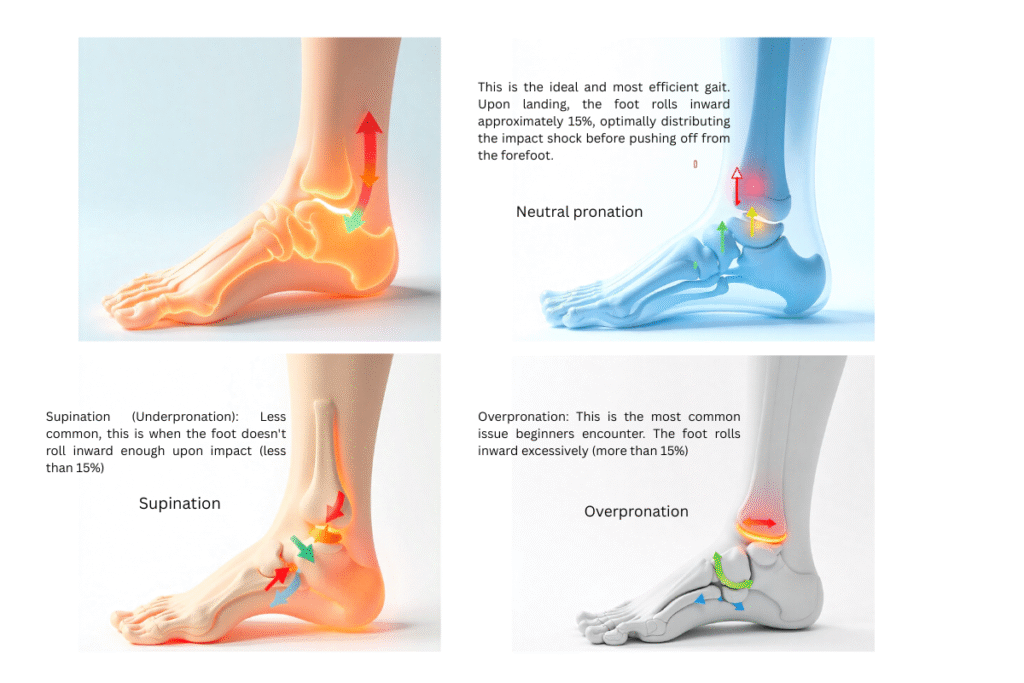
- Neutral Pronation: This is the ideal and most efficient gait. Upon landing, the foot rolls inward approximately 15%, optimally distributing the impact shock before pushing off from the forefoot.
- What to Look For: Neutral Cushioned Shoes. These shoes focus on providing soft, responsive cushioning without attempting to correct or control the foot’s motion. They are typically flexible and promote a natural stride.
- Overpronation: This is the most common issue beginners encounter. The foot rolls inward excessively (more than 15%), causing the arch to flatten dramatically and putting stress on the ankle, shin, and knee as the leg twists.
- What to Look For: Stability Shoes. These are the workhorses of correction. They feature a denser, firmer foam on the medial (inner) side of the midsole, known as a medial post or guide rail. This technology prevents the ankle from collapsing too far inward, bringing the body into better alignment.
- Supination (Underpronation): Less common, this is when the foot doesn’t roll inward enough upon impact (less than 15%). Instead, impact forces are concentrated on the outer edge of the foot and smaller foot bones, which can lead to stress fractures and ankle sprains.
- What to Look For: Neutral Cushioned Shoes (with a focus on flexibility and high cushioning). Supinators need shoes that absorb maximum shock and are flexible enough to allow the foot to move naturally. Stability features are detrimental here.
How to Determine Your Gait Cycle:
- The “Wet Test” (A Good Home Check): Wet the sole of your bare foot and step onto a flat, dark piece of cardboard or a paper bag. Observe the shape of your footprint.
- Neutral: You’ll see a clear forefoot and heel connected by a band that is roughly half the width of your foot.
- Low Arch/Overpronation: The imprint will show almost your entire foot. The band between the heel and forefoot will be very wide or the entire sole will be visible.
- High Arch/Supination: You will see a very narrow band or no connection at all between the heel and forefoot. The print will look like just the ball of your foot, your heel, and a thin outer line.
- The Gold Standard: Professional Gait Analysis: For anyone serious about learning how to start running correctly, this is invaluable. Visit a specialty running store (not a general sporting goods store). Experts will often have you run on a treadmill, frequently with a high-speed camera recording your stride from behind and the side. This video analysis provides a definitive, dynamic view of your gait that a static test cannot. They can identify subtle issues and match you with the best running shoes 2025 has to offer for your specific needs.
Pillar 2: Define Your Terrain – Road vs. Trail
- Road Running Shoes: Designed for pavement and manufactured materials. They are characterized by:
- Smooth, flexible soles for efficient movement on hard surfaces.
- Emphasis on cushioning and shock absorption.
- Lightweight, breathable uppers.
- Unless you plan to run on rugged, muddy, or rocky paths, a road shoe is likely your starting point.
- Trail Running Shoes: Designed for off-road, uneven terrain. They are characterized by:
- Aggressive, lugged outsoles made of sticky rubber for superior grip on dirt, mud, and rock.
- Often include a rock plate (a thin, rigid layer in the midsole) to protect your feet from sharp objects.
- More durable, often reinforced uppers to withstand abrasion and keep debris out.
- Generally have lower profiles and wider bases for enhanced stability on uneven ground.
Pillar 3: Set a Realistic Budget
The price of running shoes can range from under $100 to over $200. For true beginner running shoes, the sweet spot for quality, technology, and durability is between $100 and $140.
- $100 – $140: This range gets you into excellent entry-level models from top brands. These shoes will have modern cushioning technologies, durable outsoles, and structured support systems that are perfectly suited for the slower paces and shorter distances of a new runner. They are designed to last between 300-500 miles.
- $150+: This tier often includes premium max-cushion models, super-lightweight racing shoes, or advanced stability systems. While fantastic shoes, their benefits are often lost on beginners and can be overkill. It’s better to master the basics first.
C. The Step-by-Step Fitting Ritual: How to Choose Running Shoes In-Store
Knowing the theory is half the battle. Applying it in the store is the other. Here is your action plan:
- Time Your Visit: Shop for shoes in the afternoon or evening. Your feet naturally swell throughout the day. A shoe that fits perfectly at 5 PM will almost certainly be comfortable at any time.
- Bring Your Own Socks: Wear the specific moisture-wicking running socks you intend to train in. The thickness of your sock changes the fit of the shoe.
- Get Measured Professionally: Ask a associate to measure both of your feet while you are standing up. It is extremely common to have one foot slightly larger than the other. Always, always size for the larger foot.
- The Holy Grail: The Thumb Test: Once the shoe is on and laced up, stand up. There must be about a thumbnail’s width of space (approximately ½ inch) between your longest toe (which isn’t always your big toe!) and the end of the shoe. This space is critical to allow for foot swelling during runs and for your foot to slide forward slightly upon impact. Your toes should never feel jammed.
- Check the Width and Heel: The shoe should feel snug and secure in the midfoot and heel. You should not be able to slide your foot around laterally. The heel should have a snug fit with minimal slippage (a tiny amount is normal and often disappears once you run). There should be no pinching, pressure points, or rubbing on the sides of your feet or on your ankle bone. The widest part of your foot should align comfortably with the widest part of the shoe.
- Test Run: Don’t just walk around the carpet. Ask if you can jog on a treadmill they have in-store or even on the sidewalk outside. How does it feel? Does your foot feel supported? Does it bend in the right places? Trust the initial feel—the best beginner running shoes will feel great almost immediately, they shouldn’t need a long “break-in” period.
D. Curated for 2025: Top Picks for Beginner Running Shoes
Based on widespread critical acclaim, user reviews, and technological suitability for new runners, here are some of the best running shoes 2025 offers for beginners, categorized by need.
- For the Neutral Runner (Best All-Around Comfort):
- Brooks Ghost 16: A legend for a reason. The Ghost offers a perfectly balanced blend of soft DNA LOFT cushioning and responsive bio-mogo DNA. It’s incredibly reliable, durable, and comfortable straight out of the box. It’s a shoe that truly lets you focus on your run without getting in the way.
- Hoka Clifton 9: If you prioritize plush, soft cushioning above all else, the Clifton is your shoe. Hoka’s meta-rocker geometry promotes a smooth transition from heel to toe, making running feel effortless. Its lightweight design is a bonus for those worried about heavy shoes.
- For the Overpronator (Essential Stability):
- Brooks Adrenaline GTS 22: The “Go-To-Support” system in the Adrenaline is the benchmark for comfortable stability. It doesn’t feel overly corrective or clunky. The GuideRails® technology focuses on supporting the knees by keeping the hips and ankles aligned, rather than just propping up the arch. It’s a forgiving and stable platform for building mileage.
- ASICS GT-2000 12: A slightly more affordable entry into the world of premium stability. It features ASICS’ renowned GEL® technology in the heel for exceptional shock absorption and a dynamic DuoMax® support system to efficiently control overpronation. It’s a durable, trusted workhorse.
- For the Supinator or Sensitivity (Maximum Cushioning):
- New Balance Fresh Foam X 1080v13: This shoe is a cloud. The Fresh Foam X midsole is exceptionally soft, smooth, and protective, making it ideal for those who need to mitigate impact on the outer foot. The fit is accommodating and the upper is luxuriously comfortable.
- ASICS GEL-Nimbus 25: A premium max-cushion option that has been lauded for its incredibly soft and bouncy FF BLAST™ PLUS ECO foam. It offers an incredibly plush ride that absorbs immense impact, perfect for protecting joints and making long run/walk sessions feel comfortable.
- For the Budget-Conscious (Unbeatable Value):
- Saucony Axon 3: Often retailing under $120, the Axon 3 punches far above its weight. It features Saucony’s premium PWRRUN cushioning, which is both soft and energetic, providing a ride quality that rivals shoes $50 more expensive. It’s a fantastic neutral option that doesn’t skimp on technology.
- Reebok Floatride Energy 5: A consistent winner in the “best value” category. The Floatride Energy Foam is lightweight, responsive, and durable. It’s a versatile shoe that works well for running, gym work, and everyday wear, making it a great first investment.
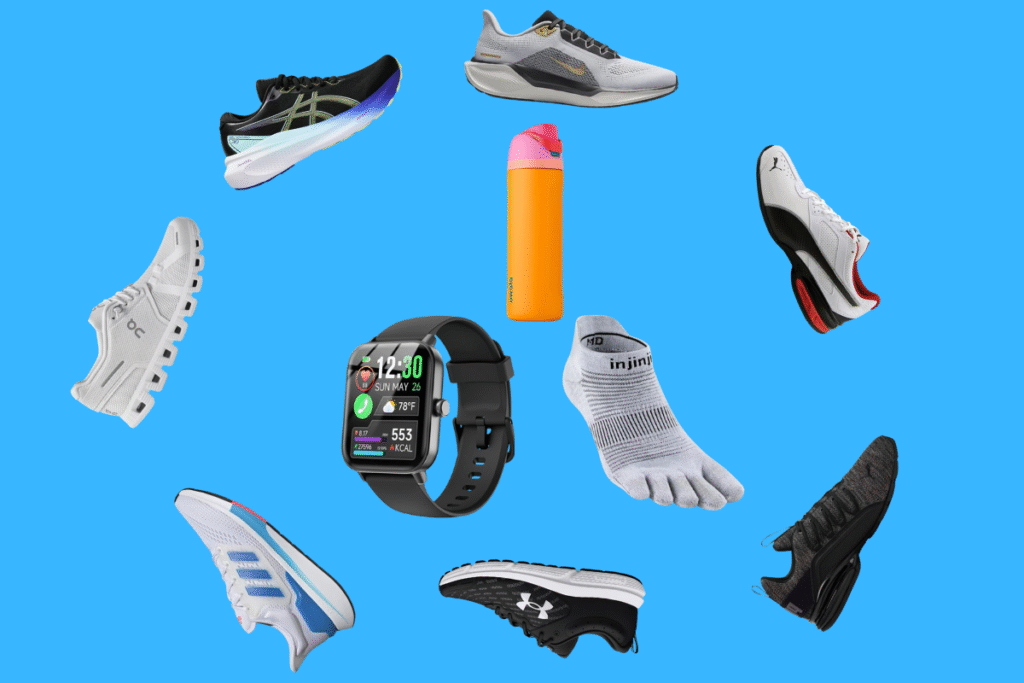
Part 3: Beyond the Shoes – Gear and Wisdom for the Aspiring Runner
Your beginner running shoes are the star of the show, but a strong supporting cast will ensure your success.
- Socks Are Not an Afterthought: Do not, under any circumstances, run in cotton socks. Cotton absorbs moisture and holds it against your skin, leading to blisters, hot spots, and general discomfort. Invest in technical socks made from synthetic blends (like polyester, nylon, or olefin) or merino wool. Brands like Balega, Feetures, and Swiftwick are dedicated to running-specific socks with targeted cushioning and seamless toes.
- Apparel: The same rule applies: avoid cotton. Wear moisture-wicking, breathable technical fabrics for your tops and bottoms. This will keep you dry, comfortable, and at the right temperature. You don’t need a huge wardrobe; just a few key pieces are enough to start.
- The Non-Negotiable 10% Rule: This is the most important rule in running injury prevention. Never increase your total weekly running distance (or time) by more than 10% from the previous week. For example, if you ran a total of 60 minutes in Week 1, do not run more than 66 minutes in Week 2. This allows your bones, tendons, ligaments, and muscles to adapt to the new stresses gradually.
- Strength Training is Your Secret Weapon: Running alone is not enough. The best thing you can do to prevent injury and become a stronger runner is to supplement your running with strength training. Focus on exercises that build strength in the muscles that support your run: your glutes, core, hips, and legs. Exercises like squats, lunges, clamshells, planks, and calf raises are immensely beneficial. Just two short sessions per week can make a world of difference
- Fitness watches – monitor pace and HR zones.
- Wireless earbuds – music boosts endurance.
5. Conclusion: Your Path Forward Awaits
Your journey to discover how to start running is a profoundly personal and rewarding one. It’s a path that leads to improved physical health, mental resilience, and the simple, pure joy of movement. By taking the time to understand the principles outlined in this guide, you have already taken the most important step: the step of informed preparation.
You now hold the knowledge to confidently walk into a store, understand your body’s needs, and choose running shoes that will serve as a trusted partner, not a source of pain. Remember, the best running shoes 2025 has to offer are not defined by their price tag or colorway, but by their perfect synergy with your unique biomechanics.
The road is waiting. The trails are calling. You have the map. It’s time to lace up your perfectly fitted beginner running shoes, step out the door, and into a healthier, happier you. Welcome to the running community.

Pingback: Protein Supplements for Runners: Do You Need Them?
Pingback: Best Brooks Running Shoes for women in 2025 - clicknownusa.com