
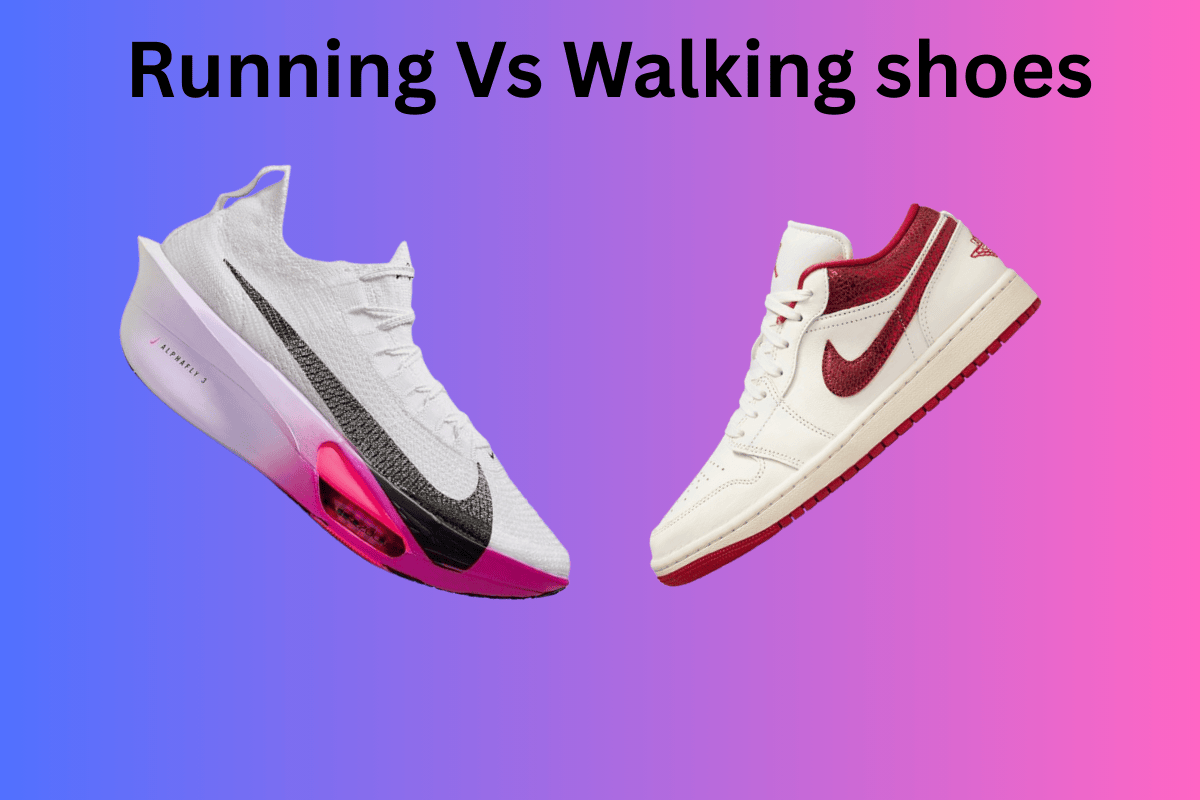
Running shoes vs walking shoes: Critical differences explained. Choose correctly to prevent injury and maximize comfort. Expert guide inside
Welcome to Clicknown USA, your trusted resource for making smart, informed decisions about the products that shape your active life. Today, we’re tackling a question that echoes through gyms, parks, and shoe stores everywhere: “What’s the real difference between running shoes and walking shoes?” It’s a crucial question because the answer impacts more than just your comfort—it directly affects your joint health, performance, and risk of injury. The debate of running shoes vs walking shoes is fundamental to anyone who values their fitness and well-being.
Many assume that an athletic shoe is just an athletic shoe. This misconception can lead to choosing footwear that works against your body’s natural mechanics, turning a healthy habit into a source of pain. Whether you’re training for your first 5k or committing to a daily walking routine for health, understanding the critical differences between running and walking shoes is the first step toward a safer, more effective workout. This isn’t about marketing hype; it’s about biomechanical science.
This definitive, 2500+ word guide will dissect the science of shoe design, compare features head-to-head, and provide clear, actionable advice. We’ll explore the nuances of cushioning, heel design, and flexibility, and showcase top-rated options from leading brands like Hoka, Brooks, ASICS, and Nike to help you make the perfect choice. Let’s dive in and ensure your next step is your best one.
Table of Contents
The Foundation: Understanding Biomechanics and Gait Cycle
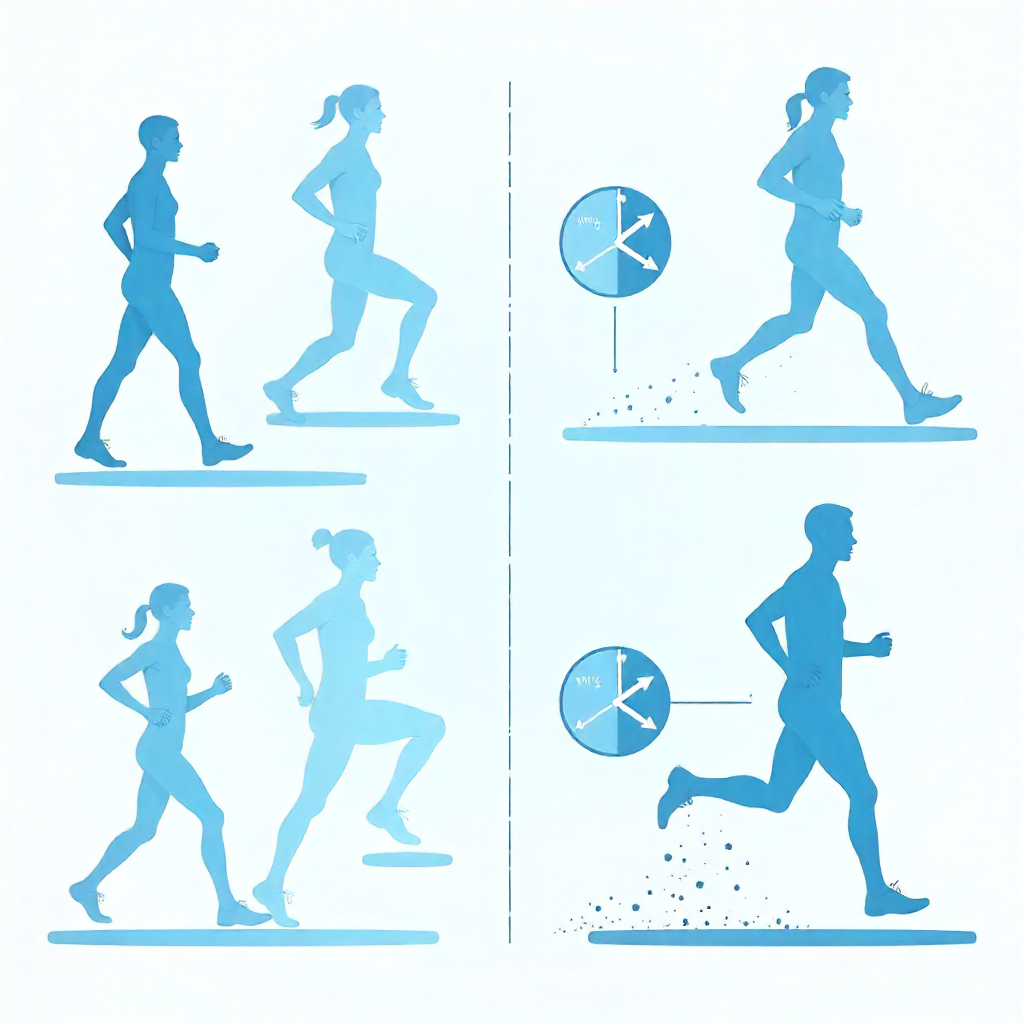
To truly grasp the difference between running and walking shoes, we must start with biomechanics—specifically, your “gait cycle.” This is the pattern of movement from when your foot hits the ground to when it lifts off again. It’s the engine that dictates everything about shoe design.
- The Walking Gait Explained: Walking is a controlled, linear motion where one foot is always in contact with the ground. It’s a pendulum-like action. It begins with a heel strike, where your heel makes first contact. This is followed by a smooth roll as your entire foot makes contact (a phase called ‘foot flat’). Your body’s weight then moves forward over your stabilized foot (mid-stance), and you finally push off from your toes (toe-off) to propel yourself forward. This entire heel-to-toe motion is relatively low-impact, generating a force of about 1.5 times your body weight. The motion is smooth and requires consistent stability.
- The Running Gait Deconstructed: Running is a series of dynamic leaps. A critical difference is the “float” or “flight” phase where both feet are off the ground. When a runner lands, the impact is dramatically higher—2.5 to 3 times your body weight. This landing can be on the heel (heel strike), the middle of the foot (mid-foot strike), or the front (forefoot strike), depending on the runner’s style and speed. The motion is more explosive and jarring, requiring immense shock absorption and flexibility for the powerful push-off. The entire cycle is faster and places different stresses on the body compared to walking.
This fundamental difference in impact force, stability, and mechanics is the entire reason shoe engineers design running shoes and walking shoes with distinct features. It’s not a minor preference; it’s a response to physics.
Key Difference 1: Cushioning & Shock Absorption – The Impact Manager
The type and placement of cushioning is the most noticeable difference when comparing running shoes vs walking shoes.
- Running Shoes: Maximum Shock Absorption: The primary mission of running shoe cushioning is to be a high-performance shock absorber. The midsole foam—technologies like Nike’s React foam, Adidas’s Boost, Hoka’s Profly+, or ASICS’s GEL—is typically thicker, softer, and more responsive. It’s engineered to compress dramatically upon foot strike, dissipating that massive 3x body weight force before it travels up your legs to your knees, hips, and back. Think of it as a sophisticated suspension system for your body. For example, Hoka shoes are famous for their maximalist cushioning, making them a favorite for long-distance runners who need to manage impact over many miles. The cushioning is often segmented, with specific focus on the heel and forefoot, the primary impact zones for runners.
- Walking Shoes: Stable, All-Day Support: Since the impact forces are significantly lower (1.5x body weight), the goal of walking shoe cushioning is different. It prioritizes stable, consistent support over extreme softness. The cushioning is often firmer and more evenly distributed from heel to toe. This provides a stable platform that prevents the foot from rolling excessively (overpronating) and offers all-day comfort without the “mushy” feel that can lead to instability for a walker. A walker needs a reliable base, not a plush pillow. The focus is on endurance and support over many miles of continuous contact with the ground, not just managing explosive impact.
Key Difference 2: Heel Design & Drop – The Geometry of Motion
This is arguably the most critical distinction between the two types of footwear and a key factor in the running shoes vs walking shoes debate.
- Running Shoes: The Pronounced Heel Drop: Most traditional running shoes feature a pronounced heel drop or offset. This is the difference in height between the heel and the forefoot. A typical running shoe drop ranges from 6mm to 12mm, with 8-10mm being very common. This elevated heel serves two purposes: it helps facilitate the forward rolling motion of a runner, adding to momentum, and it provides extra cushioning material precisely where heel-strikers need it most. It accommodates the running gait’s need for a rocking motion from heel to toe.
- Walking Shoes: The Low-Drop, Stable Platform: These are characterized by a much lower heel drop, typically between 0mm and 4mm. Some are even completely flat (zero-drop). A walker’s efficient, heel-to-toe roll requires a flatter, more stable platform. A high heel drop, common in running shoes, can actually disrupt the natural walking gait by putting extra strain on the Achilles tendon and calf muscles, potentially leading to discomfort over long distances. The flatter design promotes a more natural foot placement and a stable transition through each step.
Key Difference 3: Flexibility & Bend Points – Where the Shoe Gives
Try bending a shoe. Where it creases tells you everything about its intended use. This is a simple but effective test in the running shoes vs walking shoes analysis.
- Running Shoes: Forefoot Flexibility for Power: They need to be highly flexible at the forefoot (the ball of the foot). This allows for a powerful and efficient toe-off during the running stride. A stiff forefoot would waste energy, feel cumbersome, and could even contribute to calf strain as the foot fights against the shoe to push off. The flex point is designed to align with the metatarsal-phalangeal (MTP) joints where your foot naturally bends during propulsion.
- Walking Shoes: Midfoot Flexibility for a Smooth Roll: They need flexibility through the midfoot or arch area. This supports the smooth, rolling motion of the walking gait. As a walker moves from heel strike to toe-off, the foot needs to bend through its middle to create a fluid transition. If a walking shoe is too stiff or bends only at the toe, it will feel clunky and can cause arch strain, as the foot has to work harder to complete each step. The design encourages a gentle, continuous roll.
Key Difference 4: Weight, Stability, and Overall Design
- Weight Considerations: Running shoes are often engineered to be as lightweight as possible to reduce energy expenditure with each of the thousands of steps taken on a run. This can sometimes mean using lighter, more breathable—but potentially less durable—meshes in the upper. Walking shoes prioritize structured support and durability over shaving ounces, as the activity is less explosive but often of longer duration. The materials may be more robust, like leather or heavier synthetics, to withstand daily wear on hard surfaces.
- Stability Features Explained: While both types can have stability elements, they are integrated differently. Running shoes might have advanced technologies like guide rails (like in Brooks Adrenaline GTS) or dense medial posts to control overpronation during high-impact, high-speed landings. The stability is dynamic. Walking shoes provide stability through a wider base (“last”), a more secure and often higher heel counter, and firmer midsole materials to ensure a stable, controlled roll from heel to toe. The stability is more about preventing excessive roll during a slower, more deliberate motion.
The Critical Question: Can You Use Running Shoes for Walking?
This is the million-dollar question for anyone navigating the choice of running shoes vs walking shoes, and the answer is nuanced.
Short Answer: Yes, but it’s not ideal for dedicated, high-volume walkers.
Using a running shoe for walking is generally safer than the reverse. The ample cushioning can feel comfortable initially. If you are a casual walker who goes for short, occasional strolls, or you run and walk on the same day (and don’t want to change shoes), a running shoe can suffice. However, for someone who walks for fitness for 30+ minutes daily, the high heel drop may not be optimal for your walking biomechanics over the long term. It can subtly alter your stride, potentially leading to inefficiency or discomfort in the calves and Achilles.
The Reverse is a Firm NO: You should not use walking shoes for running.
Walking shoes lack the critical shock absorption needed to handle the immense, repetitive impact of running. The firmer cushioning and lower stack height offer little protection. Attempting to run in walking shoes significantly increases your risk of common injuries like shin splints, stress fractures, plantar fasciitis, and knee pain. They are simply not built for that level of force. The flexibility is also in the wrong place, hindering a proper running toe-off.
Top Shoe Recommendations
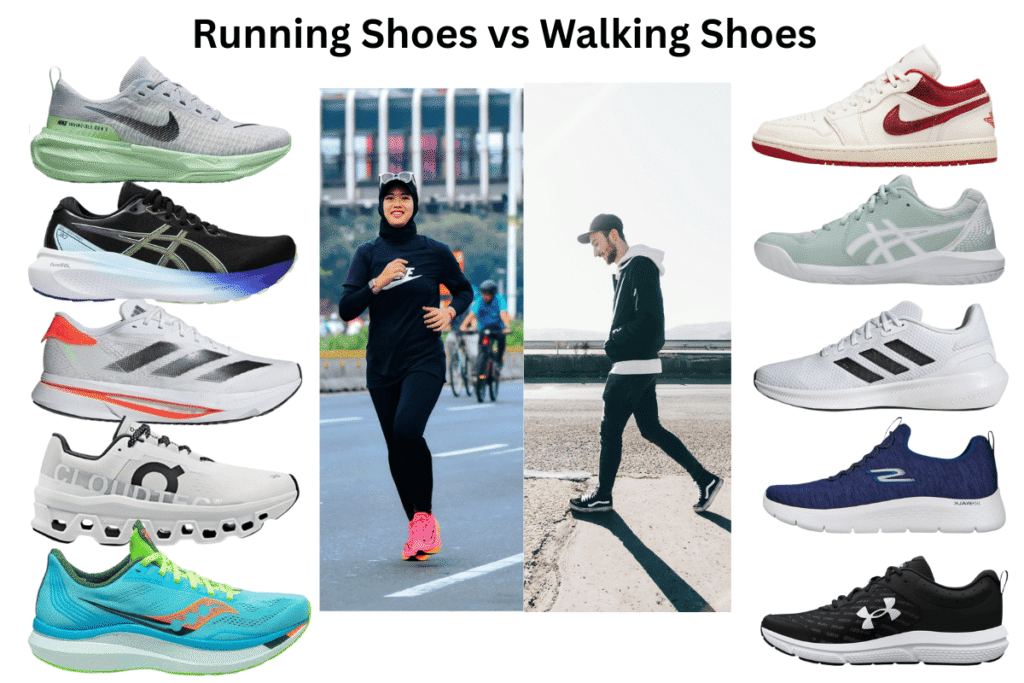
To put this knowledge into practice, here are 10 excellent options for both categories, curated from leading brands. Remember, the best shoe is the one that fits your foot perfectly, so always try them on.
5 Top Running Shoes
- Hoka Clifton 9: A favorite for its maximalist cushioning and lightweight feel. Perfect for runners seeking a soft, protective ride for long distances. [Internal Link: Check out our full review of the Hoka Bondi here].
- Brooks Ghost 16: The benchmark for balanced, soft cushioning. A reliable daily trainer that provides a smooth ride for a wide variety of runners.
- ASICS Gel-Kayano 30: A top-tier stability running shoe that combines superb support with ASICS’ legendary GEL cushioning technology for overpronators.
- Saucony Triumph 19: Known for its premium, plush cushioning (PWRRUN+ foam) that offers a responsive yet incredibly comfortable feel, great for recovery runs.
- On Cloudmonster: Offers a unique blend of cushioning and a responsive, explosive feel due to its Helion™ superfoam and CloudTec® elements. A great choice for tempo runs and daily training.
5 Top Walking Shoes
- Brooks Addiction Walker 2: A classic walking shoe built with extended platform support and reliable cushioning. Excellent for those who need maximum support and durability for all-day wear. [Internal Link: Read our guide to the best walking shoes for flat feet].
- New Balance 928v3: A premier leather-based walking shoe with strong motion control features. Ideal for walkers with flat feet or who need significant arch support.
- Under Under Armour Women’s Charged Surge 4 Running Shoe: Breathable mesh upper with synthetic overlays for added structure & support excessive heel drop.Charged Cushioning midsole provides all day comfort with responsiveness & durability
- Skechers GO WALK : Focused on comfort with a lightweight, flexible design and responsive ULTRA GO cushioning. Perfect for casual and fitness walkers seeking everyday comfort.
- Ryka Women’s Devotion Plus 3: Designed specifically for a woman’s foot, this shoe offers a secure fit and stable cushioning, making it a top choice for female walkers. [External Link: https://www.ryka.com/]
Conclusion
The choice between running shoes and walking shoes is a decision rooted in science, not just style or convenience. It’s about aligning your footwear with the specific biomechanical demands of your chosen activity. Investing in the right shoe is an investment in your long-term health, comfort, and enjoyment of your fitness routine.
To summarize the running shoes vs walking shoes debate:
- If you are a runner, prioritize a shoe with ample, responsive cushioning, a higher heel drop, and forefoot flexibility to manage impact and propel you forward.
- If you are a dedicated walker, seek out a shoe with firm, stable cushioning, a low heel drop, and midfoot flexibility to support your natural, rolling gait.
Remember, while this guide provides a strong framework, the best shoe is the one that feels comfortable and supportive for you. We encourage you to use this information as a starting point and always listen to your body. For more detailed reviews and guides on finding your perfect fit, explore our other articles here at Clicknown USA.
FAQ Section
Q1: Can I wear my old running shoes for walking?
A: Yes! This is an excellent way to extend the life of your running shoes. Once they’ve lost their peak cushioning for high-impact running (usually after 300-500 miles), they often still have plenty of support left for the lower-impact demands of walking. It’s a great way to be sustainable with your gear.
Q2: What about cross-trainers? Are they good for walking or running?
A: Cross-trainers are designed for multi-directional movement (like weightlifting, lateral drills, etc.). They can be a decent “jack-of-all-trades” for light gym workouts but are generally not ideal for dedicated, high-mileage running or walking, as they lack the specialized features for both linear activities. They often compromise cushioning and flexibility.
Q3: How often should I replace my shoes?
A: A general rule is to replace running shoes every 300-500 miles. For walking shoes, you can typically go 500-700 miles. However, always watch for physical signs of wear, such as compressed cushioning that no longer bounces back, uneven sole wear on the outsole, or new aches and pains that emerge during your activity.
Q4: Are minimalist or barefoot shoes good for either activity?
A: Minimalist shoes can be good for walking as they encourage a natural gait and foot strength, but they require a very gradual transition. For running, they are a specific choice that demands a change in technique (often to a forefoot strike) and should be approached very cautiously with a slow build-up to avoid injury like stress fractures.
Comparative Table
| Feature | Running Shoes | Walking Shoes |
|---|---|---|
| Primary Function | High-impact, explosive forward motion. | Low-impact, stable heel-to-toe rolling motion. |
| Heel Drop | Higher (6-12mm): Aids forward momentum. | Lower (0-4mm): Promotes stable, natural stride. |
| Cushioning | Softer & Thicker: For impacts 3x body weight. | Firmer & Even: For all-day stability and support. |
| Flexibility | Forefoot Flex: For powerful toe-off. | Midfoot Flex: For smooth heel-to-toe roll. |
| Weight | Generally lighter for energy efficiency. | Often slightly heavier, prioritizing durability. |
| Best For | Running, jogging, trail running. | Power walking, fitness walking, everyday long-distance walking. |

Pingback: 10 Best Walking Shoes for Everyday Comfort in 2025