

Discover 7 powerful benefits of walking for body & mind. Our guide reveals the science, technique, and how to build a lasting habit.
As a runner, it’s easy to see walking as a mere warm-up or cool-down. But what if this fundamental movement is one of the most powerful, underrated tools for lifelong health? Walking is a gateway to fitness, a recovery aid, and a potent health intervention all on its own. Understanding the profound benefits of walking can transform your perspective and your well-being.
This ultimate guide will dive deep into the science, the technique, and the practical steps to help you harness the incredible benefits of walking for health and build a sustainable routine.
Table of Contents
What is Walking? More Than Just Steps
At its core, walking is a low-impact, weight-bearing exercise where you maintain contact with the ground, with one foot always in contact with the surface. It’s our most natural movement pattern, but when done with intention, it becomes a powerful form of moderate-intensity cardio exercise. Unlike running, it’s accessible to nearly everyone, regardless of age or fitness level, making the benefits of walking available to all.
The Science of Walking: Your Body on a Walk
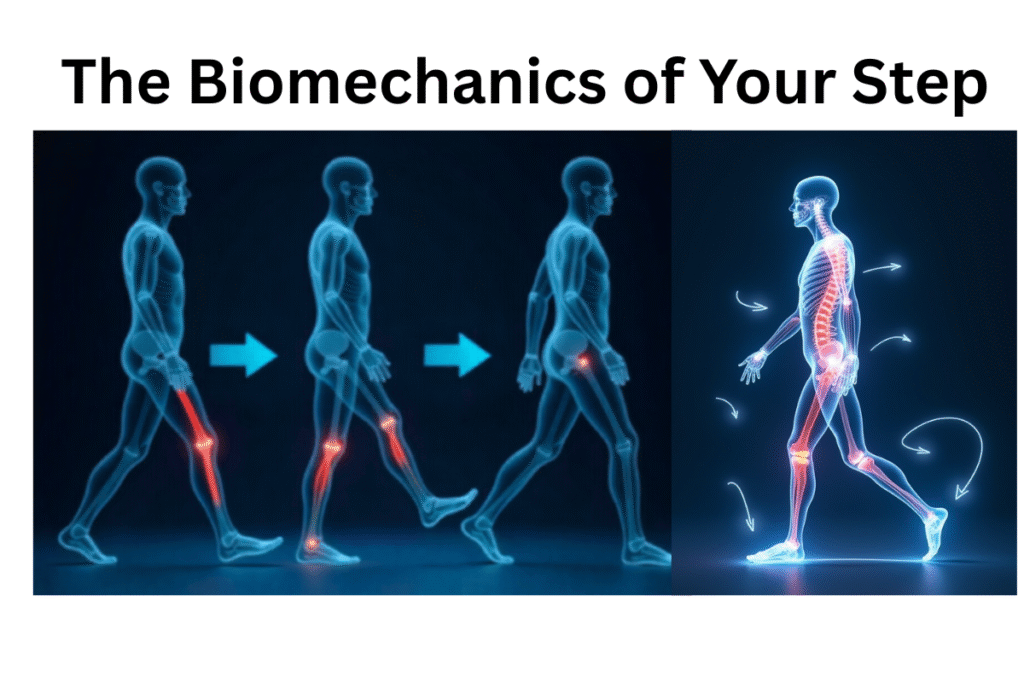
When you take a step, you initiate a complex biomechanical chain reaction. The science of walking, or gait cycle, involves a “stance phase” (foot on the ground) and a “swing phase” (foot moving forward). This action engages muscles from your feet to your core.
Physiologically, your heart rate increases to pump oxygen-rich blood to working muscles. Your lungs work more efficiently, and your body begins to burn carbohydrates and fat for fuel. This consistent, rhythmic movement also stimulates the release of key neurotransmitters, which is the foundation for many of the mental benefits of walking. It’s a full-body tune-up with every step you take.
Consider Your Technique: Walk Smarter, Not Just Longer
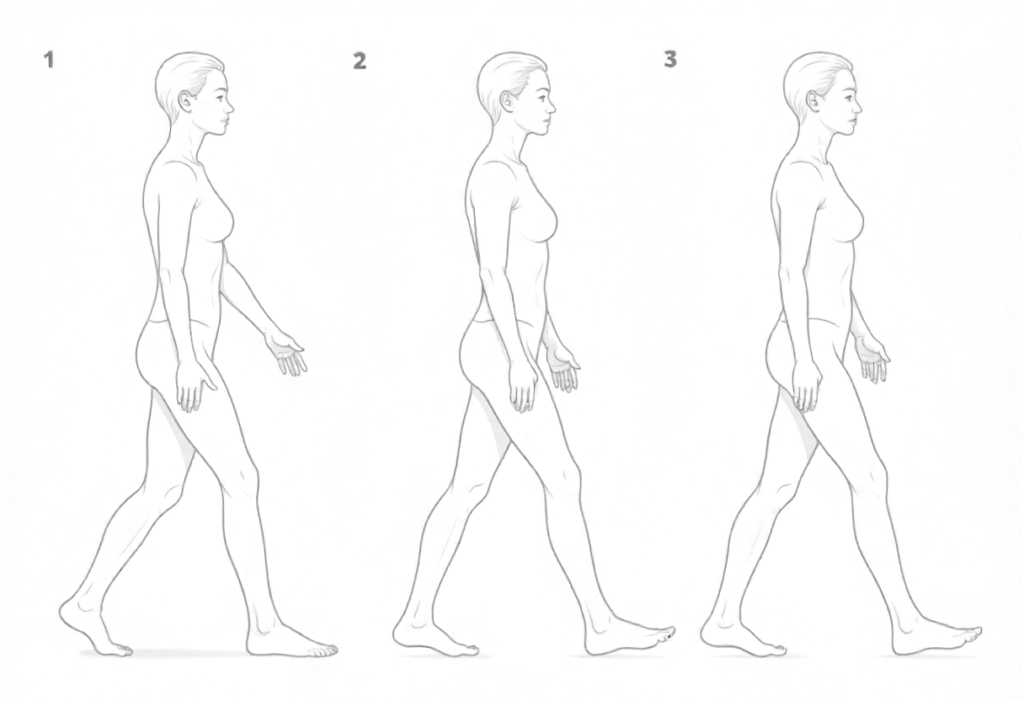
Proper form is crucial to maximize the benefits of walking and prevent injury. Here’s how to perfect your walking technique:
- Posture: Stand tall. Imagine a string pulling the crown of your head towards the sky. Keep your shoulders back and down, and your chest slightly lifted. Avoid hunching forward.
- Gaze: Look about 10-20 feet ahead, not down at your feet. This keeps your neck aligned and your airway open.
- Arm Swing: Bend your elbows at about 90 degrees and swing your arms forward and back, not across your body. This helps with momentum and balance.
- Stride: Focus on taking quicker, shorter steps rather than long, lunging strides. Your foot should land gently under your center of gravity, not out in front of you.
The Right Gear: It All Starts with Your Shoes
Wearing the right shoes is non-negotiable. The wrong shoes can derail your efforts to start walking by causing blisters, plantar fasciitis, or joint pain.
How to Choose the Right Walking Shoe:
- Fit is King: Get fitted professionally. There should be a thumb’s width of space between your longest toe and the end of the shoe. Your feet swell during the day, so shop in the afternoon.
- Support and Cushioning: Look for shoes with adequate arch support and heel cushioning to absorb impact. The shoe should be flexible at the ball of the foot but stable through the midfoot.
- Replace Regularly: Walking shoes lose their supportive properties after 300-500 miles. If you’re serious about walking for health, fresh shoes are your best investment.
Making Walking a Habit: The “Start Small” Philosophy
The key to building a lasting walking habit is consistency, not intensity. Use these behavioral science-backed tips:
- The 2-Minute Rule: Commit to putting on your shoes and walking for just two minutes. It’s so easy you can’t say no. Often, you’ll end up walking longer.
- Habit Stacking: Tie your walk to an existing habit. Example: “After I drink my morning coffee, I will walk for 10 minutes.”
- Schedule It: Treat your walk like an important meeting. Block out time in your calendar.
- Prepare Your Environment: Lay out your clothes and shoes the night before. Remove friction to make the right choice the easy choice.
How to Stay Motivated on Your Walking Journey
Motivation wanes; that’s normal. Here’s how to stay motivated when it does:
- Track Your Progress: Use a journal, app, or simple calendar. Marking an “X” for each day you walk creates a visual chain you won’t want to break.
- Set Micro-Goals: Instead of “walk more,” aim for “walk 10 minutes, 3 days this week.” Small wins build confidence.
- Add Variety: Explore new routes, parks, or neighborhoods. Listen to audiobooks, podcasts, or curated playlists to make the time fly.
- Find a Community: Get a walking buddy or join a local walking group. Social accountability is a powerful motivator.

The Top 7 Medical Benefits of Walking
This is the core of why you should do it. The evidence-based benefits of walking are impressive.
1. Boosts Cardiovascular Health:
Walking strengthens your heart muscle, lowers LDL (bad) cholesterol, and regulates blood pressure. The American Heart Association endorses walking as a fundamental way to reduce the risk of heart disease and stroke.
2. Supports Weight Management and Metabolism:
This is a key benefit of walking for health. It helps burn calories and, when done consistently, can boost your metabolism, especially when incorporating intervals or hills.
3. Strengthens Bones and Muscles:
As a weight-bearing exercise, walking helps increase bone density, reducing the risk of osteoporosis. It also strengthens leg, glute, and core muscles.
4. Improves Mental Health and Fights Depression:
Walking triggers the release of endorphins, your body’s natural mood elevators. Studies show that a regular walking habit can be as effective as medication for mild to moderate depression.
5. Enhances Brain Function and Prevents Cognitive Decline:
Increased blood flow to the brain during walking has been shown to improve memory, cognitive function, and creativity. It can also help reduce the risk of developing dementia.
6. Regulates Blood Sugar Levels:
A walk after a meal can work wonders. Muscle contractions help move sugar from your bloodstream into your cells for energy, leading to better blood sugar control—a massive benefit of walking for insulin resistance and type 2 diabetes.
7. Boosts Immune Function:
Regular, moderate exercise like walking can reduce your risk of catching a common cold or flu. It promotes the circulation of immune cells, helping your body defend itself more effectively.
Timing, Duration, and Frequency: Your Walking Blueprint
When is the best time to walk?
- Morning: Kicks starts metabolism and ensures you get it done.
- Afternoon: Body temperature and muscle function peak, potentially improving performance.
- Post-Meal (10-15 min after): Ideal for blood sugar control.
- The Verdict: The best time is the time that fits your schedule consistently.
How much do you need?
The general gold standard for reaping the benefits of walking is 150 minutes of moderate-intensity activity per week. This breaks down to a manageable 30 minutes a day, 5 days a week. You can even split this into two 15-minute walks.
Conclusion: Your First Step is Waiting
The evidence is undeniable. The benefits of walking touch every aspect of your health, from your physical heart to your mental state. It requires no special equipment, just a good pair of shoes and the willingness to take the first step. Whether you’re looking to start walking for the first time or reinvigorate an old habit, remember that every journey begins with a single step. Lace up, step out, and unlock a healthier, happier you.
Frequently Asked Questions (FAQ)
Q1: Is walking enough for weight loss?
A: Yes, it can be a highly effective component. For significant weight loss, pair consistent walking (45-60 minutes most days) with a healthy diet for the best results.
Q2: What’s the difference between power walking and regular walking?
A: Power walking is done at a faster pace (typically 4.5 mph or more) with a focused technique and purposeful arm swing, burning more calories and providing a more intense cardio workout.
Q3: I have joint pain. Can I still walk?
A: Absolutely. Walking is low-impact. If you have pain, start slow on soft surfaces (like a track or trail), wear supportive shoes, and consult a doctor or physical therapist for personalized advice.
Q4: How can I make my walking workout harder?
A: Try adding intervals (e.g., 1 minute fast, 2 minutes moderate), walk on an incline, or wear a weighted vest (once you’ve built a strong base).